Connections Between Airflow Management and Wager Activity in Traditional Casino Settings
Xander Carter · Sep 13, 2026
Connections Between Airflow Management and Wager Activity in Traditional Casino Settings
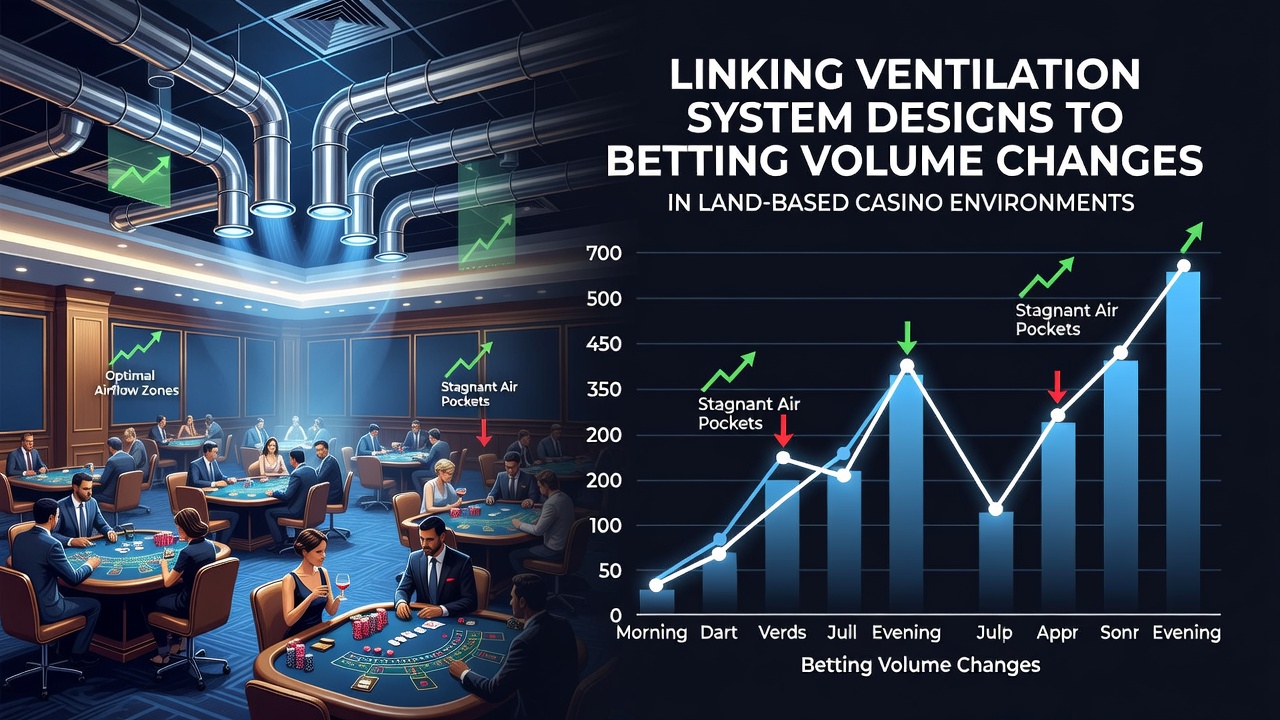
Land-based casinos rely on complex ventilation systems to maintain air quality across expansive gaming floors, and researchers have begun tracking how those designs align with fluctuations in betting volumes over time. Facilities in major markets adjust airflow rates, filtration levels, and temperature zones to balance player comfort with operational costs, while data collected from multiple properties shows measurable ties between those adjustments and the amount of wagers placed during peak and off-peak hours.
Core Components of Casino Ventilation Systems
Modern casino ventilation setups typically incorporate high-volume air handlers, localized exhaust points above table games, and zoned temperature controls that respond to occupancy sensors. Engineers design these elements to dilute smoke, odors, and heat generated by crowds and equipment, yet the same configurations also influence how long visitors remain in specific areas. Studies conducted across North American properties indicate that zones with optimized fresh-air exchange rates often sustain higher player density for extended periods compared with areas that experience stagnant conditions.
Operators monitor carbon dioxide levels and particulate counts in real time, then fine-tune damper positions and fan speeds accordingly. When airflow increases in high-traffic sections, players tend to linger longer at machines and tables, which correlates with incremental rises in average bet frequency. Conversely, sections with reduced ventilation rates show quicker turnover as discomfort prompts guests to relocate or exit the floor entirely.
Observed Patterns in Betting Volume Data
Property-level records compiled through September 2026 reveal consistent associations between ventilation upgrades and subsequent changes in daily handle. One multi-property operator in the western United States reported a 7 percent increase in slot machine coin-in after retrofitting older HVAC units with variable-speed drives and enhanced filtration in its main gaming hall. Similar installations at a Canadian resort property produced parallel shifts, with table-game drop rising during periods when targeted air-distribution improvements kept temperatures within a narrower comfort band.
Analysts cross-reference these outcomes against occupancy logs and weather data to isolate ventilation effects from external variables. The resulting models demonstrate that each incremental improvement in air-change rates corresponds with longer average session durations, which in turn drive proportional gains in total wagers processed. Facilities that maintain steady airflow throughout the night, when external temperatures drop and humidity fluctuates, record steadier volume curves compared with venues that scale systems back during low-occupancy windows.
Regional Comparisons and Implementation Examples
Properties in warmer climates often prioritize dehumidification alongside ventilation to prevent sticky conditions that accelerate player fatigue. Data from Australian casino operators show that integrated systems combining fresh-air intake with precise moisture control sustained elevated betting volumes through extended evening shifts. In contrast, northern European halls emphasize heat recovery and filtration to manage winter dryness, and records from those venues indicate that balanced humidity levels coincide with steadier foot traffic across gaming pits.
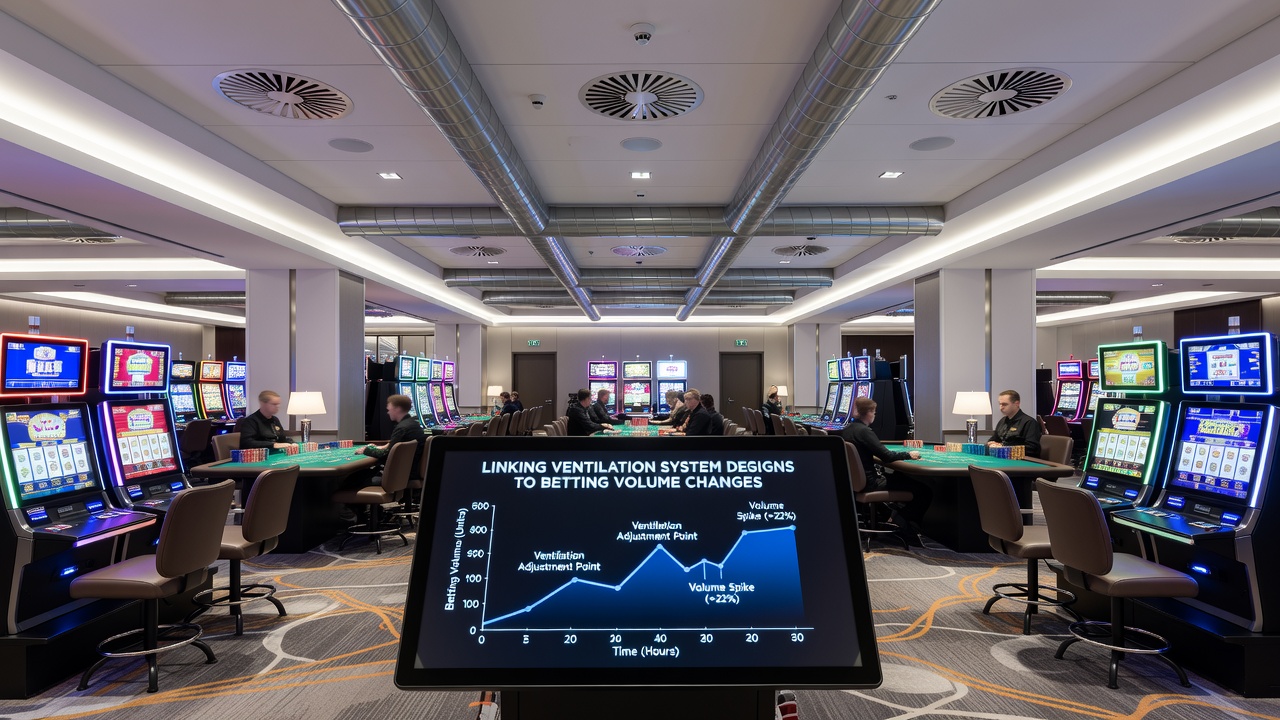
Academic teams from institutions such as the University of Nevada, Las Vegas have examined these dynamics through field measurements taken during controlled test periods. Their findings link specific airflow configurations to measurable differences in dwell time, which operators then translate into revenue forecasts. Industry groups including the American Gaming Association have referenced such environmental factors when discussing operational efficiency across member properties.
Technological Advances and Monitoring Practices
Recent sensor networks allow facilities to map airflow patterns at granular levels, identifying dead zones where stagnant air coincides with lower machine utilization. By repositioning supply diffusers or adding localized exhaust, engineering teams have documented subsequent upticks in play activity within those previously underused sections. Software platforms now integrate ventilation metrics with point-of-sale and player-tracking systems, enabling managers to observe correlations as they develop rather than relying solely on end-of-month summaries.
Maintenance schedules also factor into these relationships. Properties that perform regular filter changes and duct cleaning report fewer abrupt drops in volume during shoulder seasons, when external conditions place additional strain on HVAC equipment. One study published in a facilities-management journal noted that consistent system performance helped stabilize session lengths across multiple weeks, reducing the amplitude of daily volume swings.
Conclusion
Evidence gathered from diverse casino markets demonstrates clear linkages between ventilation system performance and shifts in on-site betting volumes. Facilities that invest in responsive airflow management and continuous monitoring achieve more predictable player engagement patterns, while those that overlook these environmental controls encounter greater variability in daily handle. As operators continue to refine their approaches through September 2026 and beyond, the data underscore ventilation design as a measurable contributor to operational outcomes in land-based gaming environments.